The authentic and timeless world of Ralph Lauren
Fall 2026
RL/Culture

Wilder at Heart

Nearly a century after Little House in the Big Woods first appeared, Laura Ingalls Wilder’s series depicting life and coming of age in the wilderness continues to be a generational touchstone of American girlhood.
By Sarah Marshall
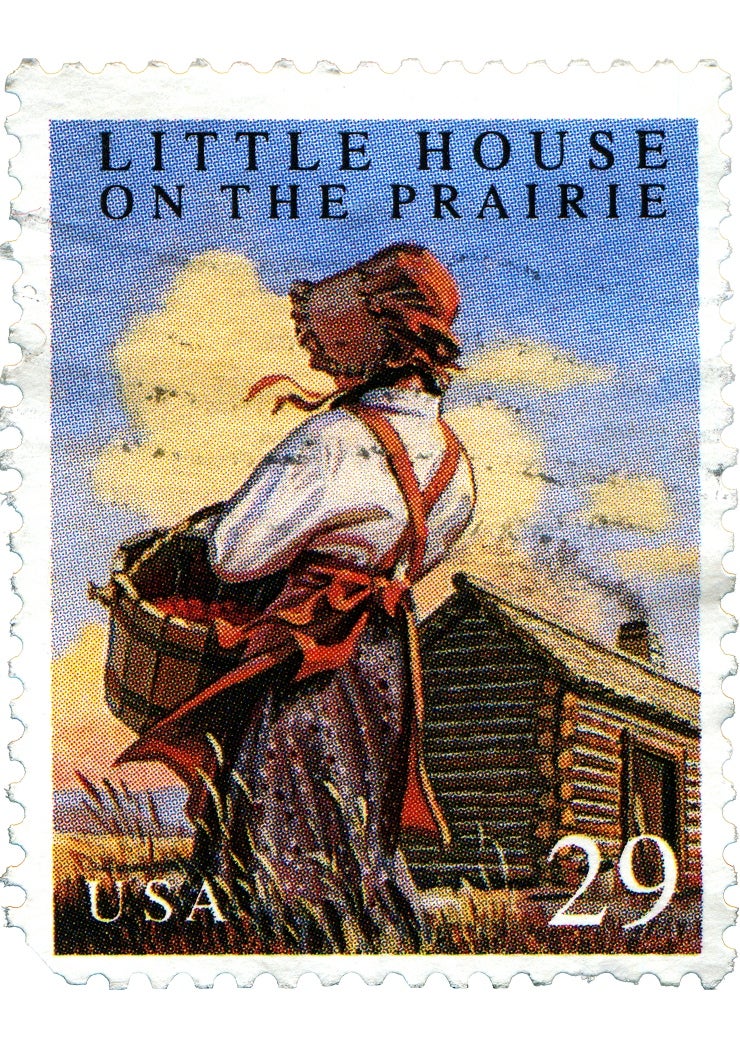
Photo: Classic Books: Little House on the Prairie stamp © 1993 USPS. All Rights Reserved. Illustrated by Jim Lamb.
Why do Laura Ingalls Wilder’s Little House books endure? For many of us, I suspect they are our favorite books that we have never actually read. My mother read them to me when I was growing up in the 1990s, just as they had been read to her when she was growing up in the 1950s. When I read them for the first time as an adult, this past year, I was amazed at how much I remembered, and how many details I recalled. The clarity of my memories is also what strikes me when I ask people for their memories of the books. At first, they’ll say they don’t remember much, and then in the next breath mention moments that are still vivid in their minds: the wolves on Silver Lake; Almanzo Wilder’s seed wheat during the long winter; and maple candy, and Pa’s fiddle, Jack the dog, and Charlotte the ragdoll; and Mr. Edwards meeting Santa Claus. We remember this singular childhood as if it had belonged to all of us. When I read these books recently, I experienced what my mother did when she read them to me: pockets of girlhood memory undiluted by time, ready to be encountered anew, the same as they ever were. To come back to these books is to return to the home we made inside them years ago.
There are moments that are still vivid: the wolves on Silver Lake; maple candy, and Pa’s fiddle, Jack the dog, Charlotte the ragdoll; and Mr. Edwards meeting Santa Claus.
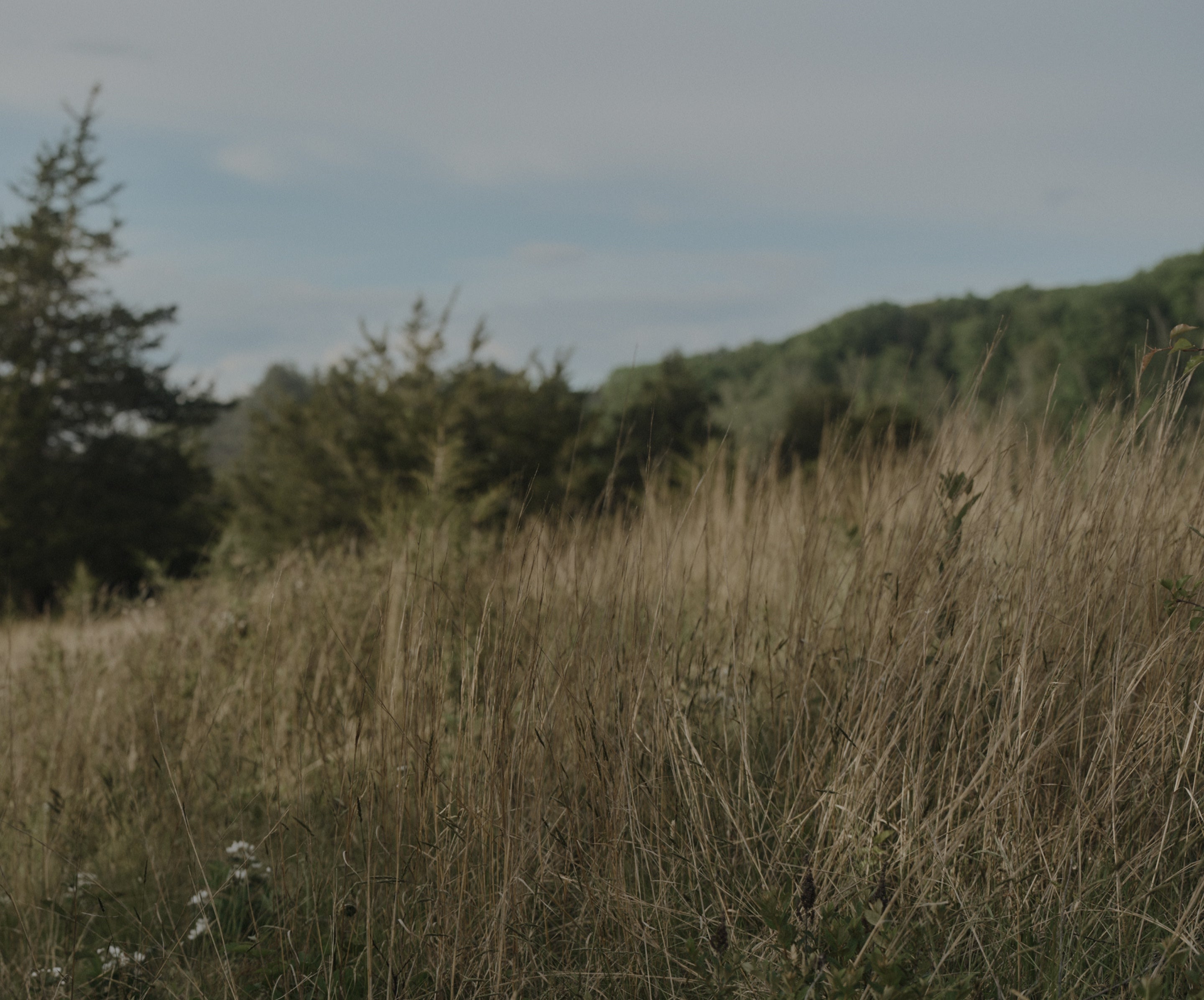
Ingalls Wilder was 65 when she published the first book in the series, in 1932. She had been encouraged by her daughter Rose Wilder Lane to write down her childhood memories, believing they would resonate with readers in the Great Depression. Buoyed by response to the books, Ingalls Wilder would release seven additional books, concluding in 1943. (The First Four Years, based on early memoir drafts, was published posthumously in 1971—about the time Little House started growing into a bona fide media empire. Its first television adaptation would follow in 1974.) From Little House in the Big Woods to These Happy Golden Years, the books follow Laura Ingalls and her family as they make their way from Pepin, Wisconsin, to De Smet, South Dakota, during the years 1871 to 1885. In Prairie Fires: The American Dreams of Laura Ingalls Wilder, Caroline Fraser’s Pulitzer Prize–winning biography of Ingalls Wilder, Fraser masterfully depicts the iconically American cycles of boom and bust that Ingalls’ family survived. The books are timeless, it turns out, not because they represent a return to a halcyon past, but because they remind us that those days were not easy. The survival of the American family has always been precarious, and Ingalls and her family endure everything from blizzards to locusts in their search for a stability that always seems just out of reach. The books are also a record of America’s myths about itself. In the original 1935 edition of Little House on the Prairie, Wilder wrote: “There were no people. Only Indians lived there.” It was the mother of a 7-year-old girl, Fraser notes, who wrote to Wilder and her publisher about it. In the 1953 edition, “there were no people” became “there were no settlers.” Of her original line, Wilder wrote: “It was a stupid blunder of mine. Of course Indians are people and I did not mean to imply they were not.” Why do these books still resonate with readers? The answer might lie not in the story so much as the author herself.

Get The Look

Far and Away

A collection inspired by a free-spirited, adventurous style that captures the longing and untamed beauty of life beyond the city. READ NOW