The authentic and timeless world of Ralph Lauren
Fall 2026
RL/Men

Adventure Prep

This Fall, prep style breaks free of the campus and the city and heads for the North Woods, land of rugged individualism. Here’s your five-point field guide to looking great in a new frontier.
By Eric Twardzik

Rule No. 5

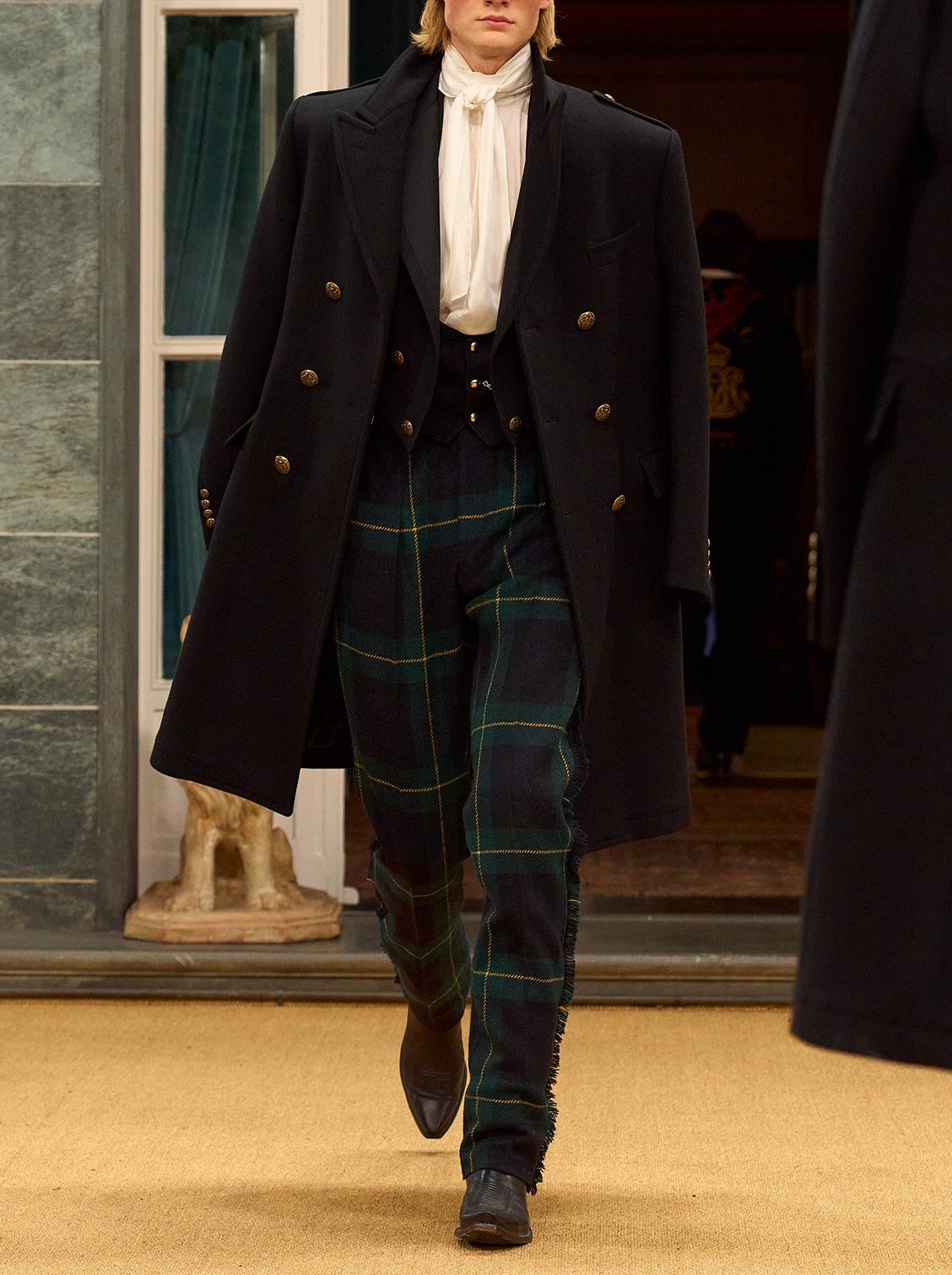
Black Tie? Try White!

Rise to the occasion while subverting expectations.
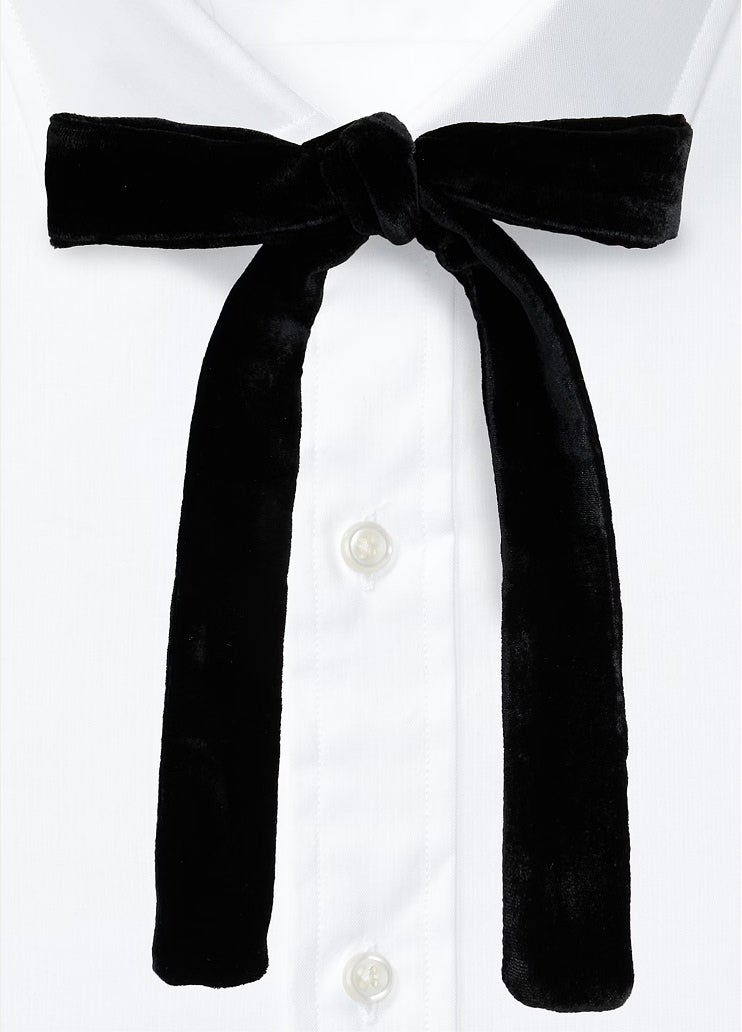
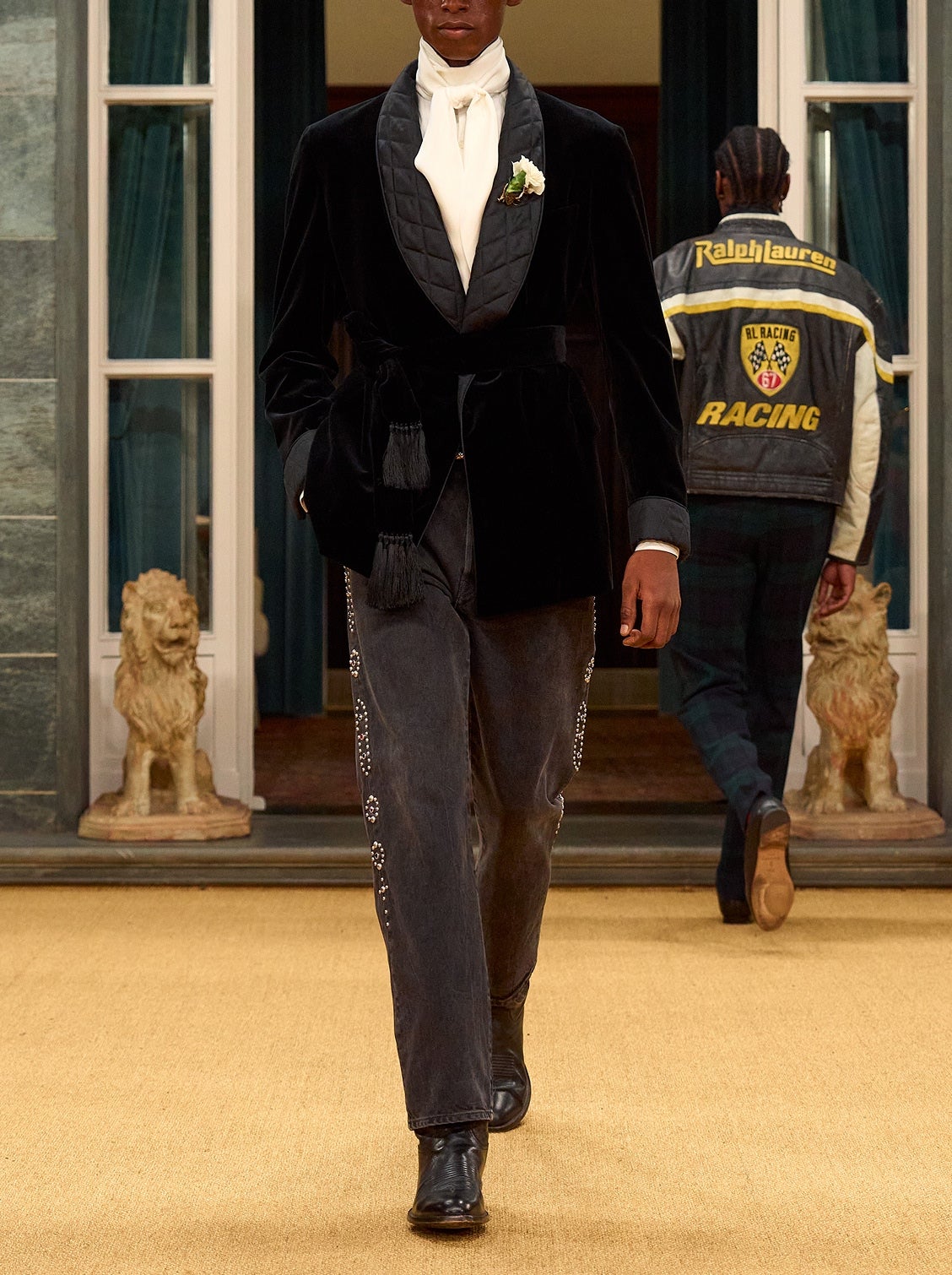
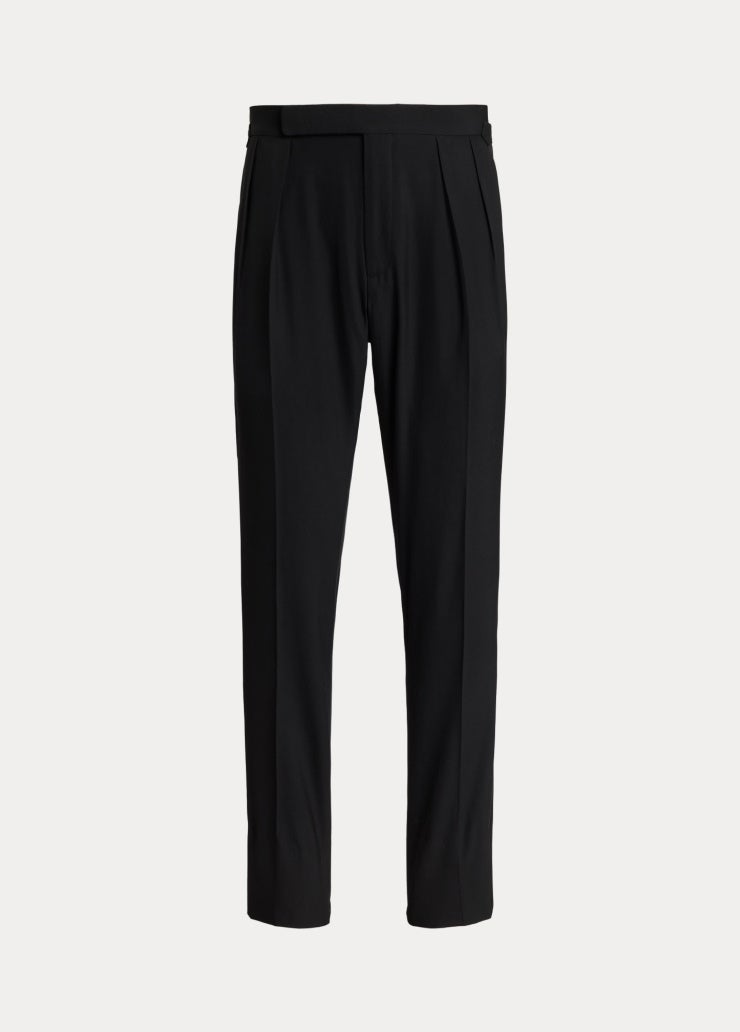
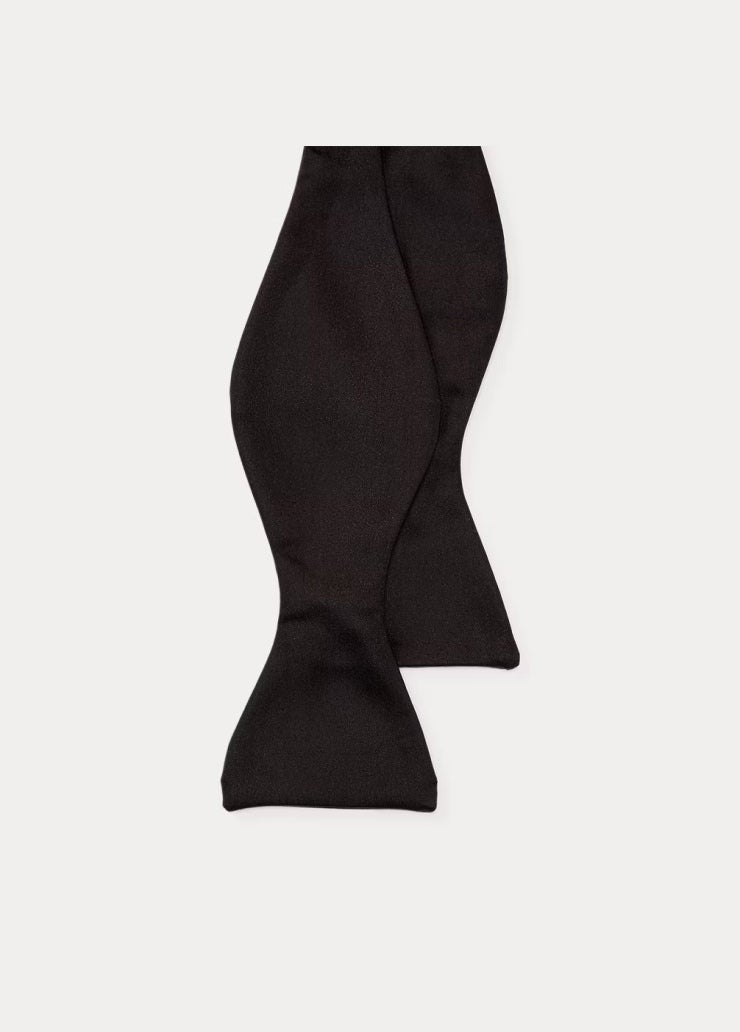
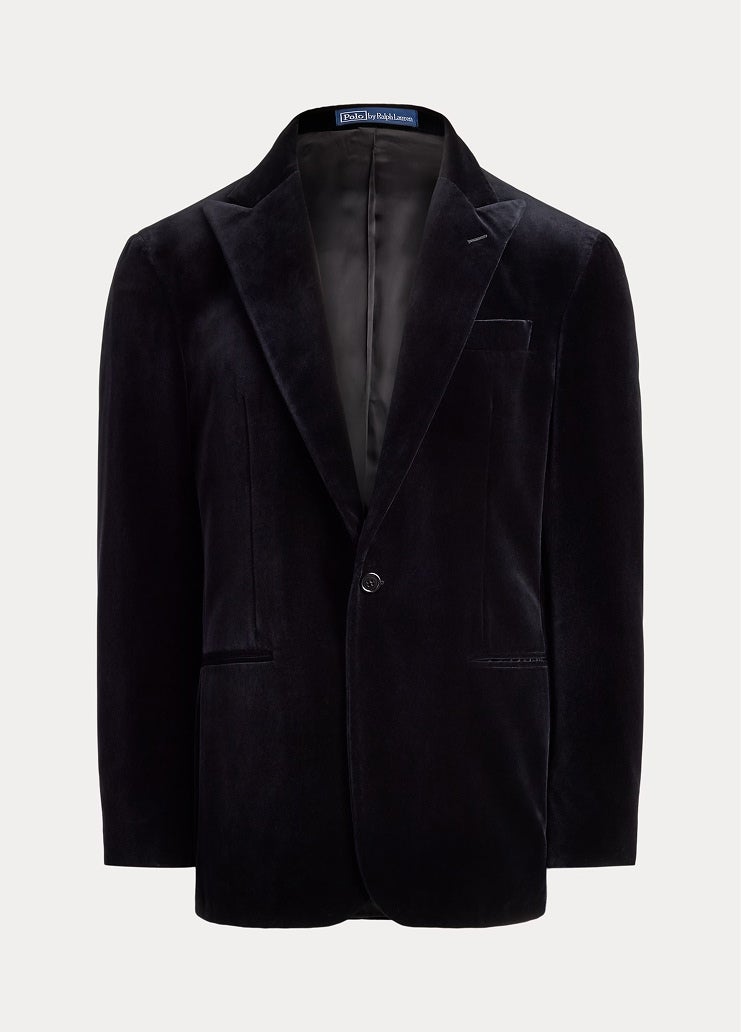
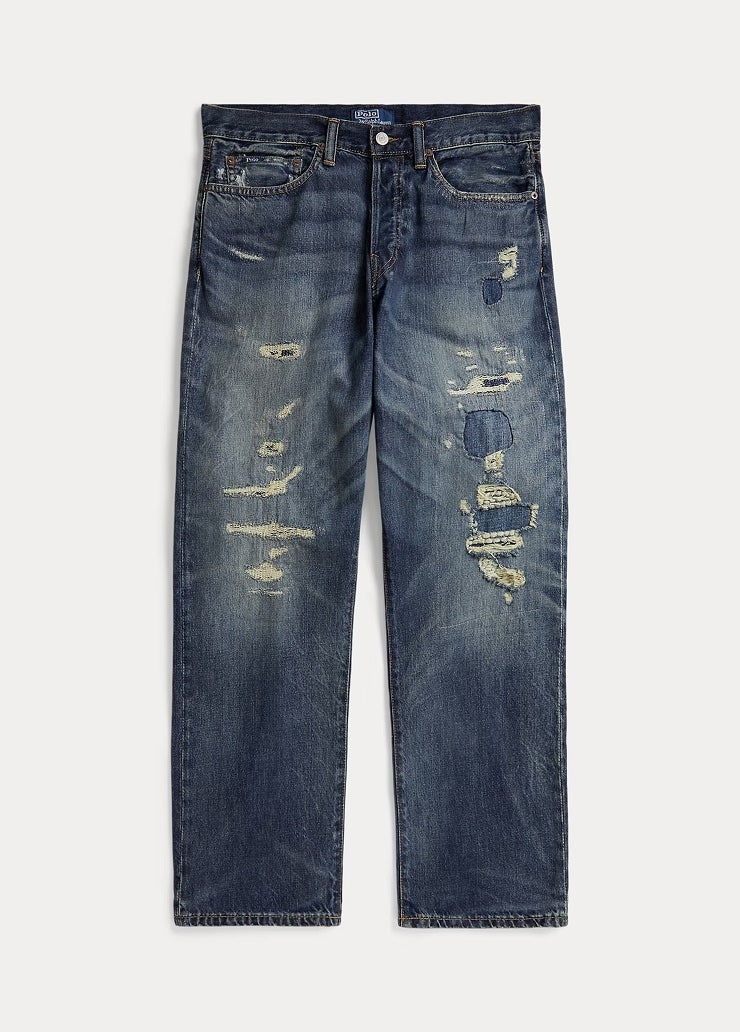
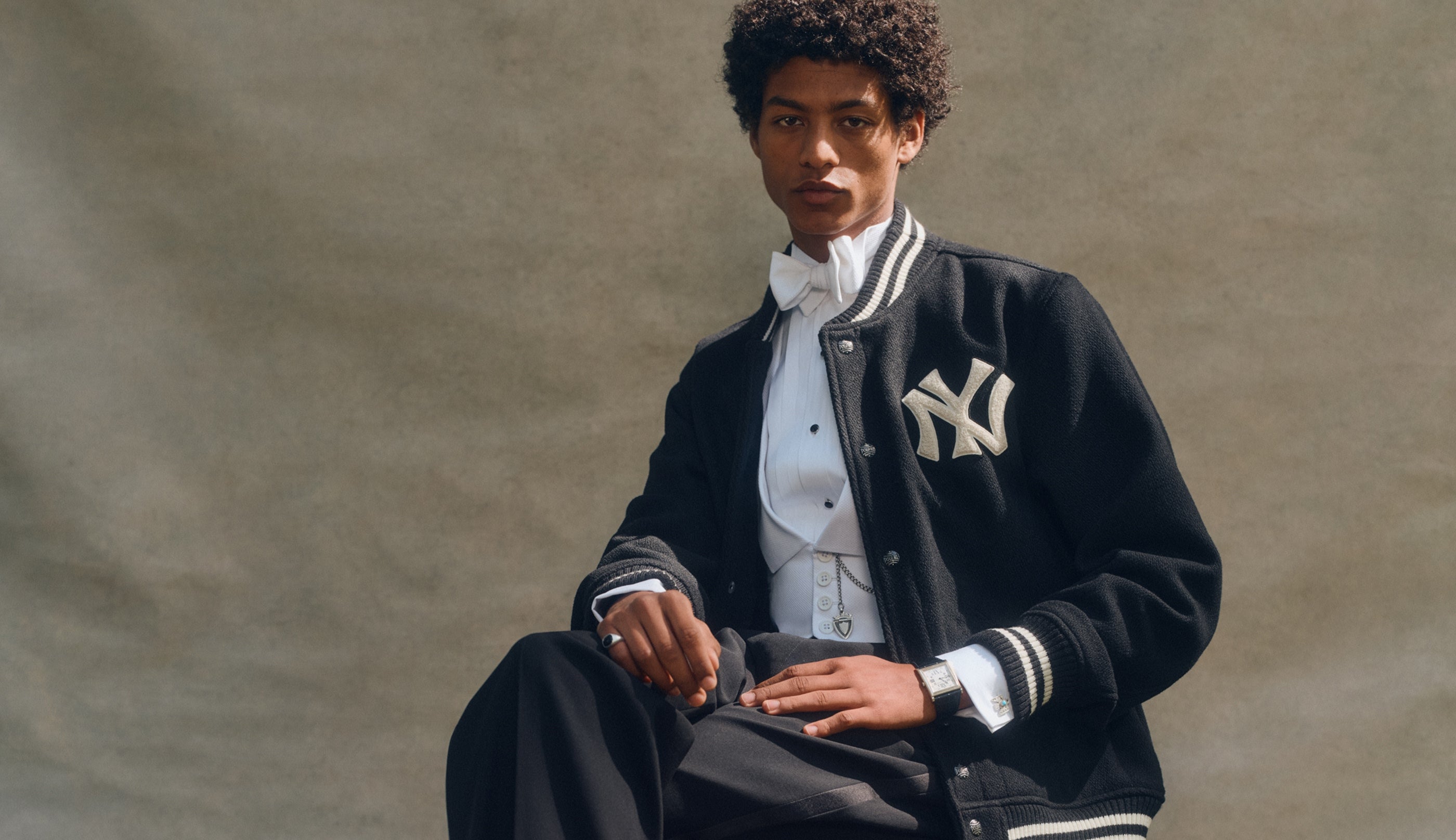
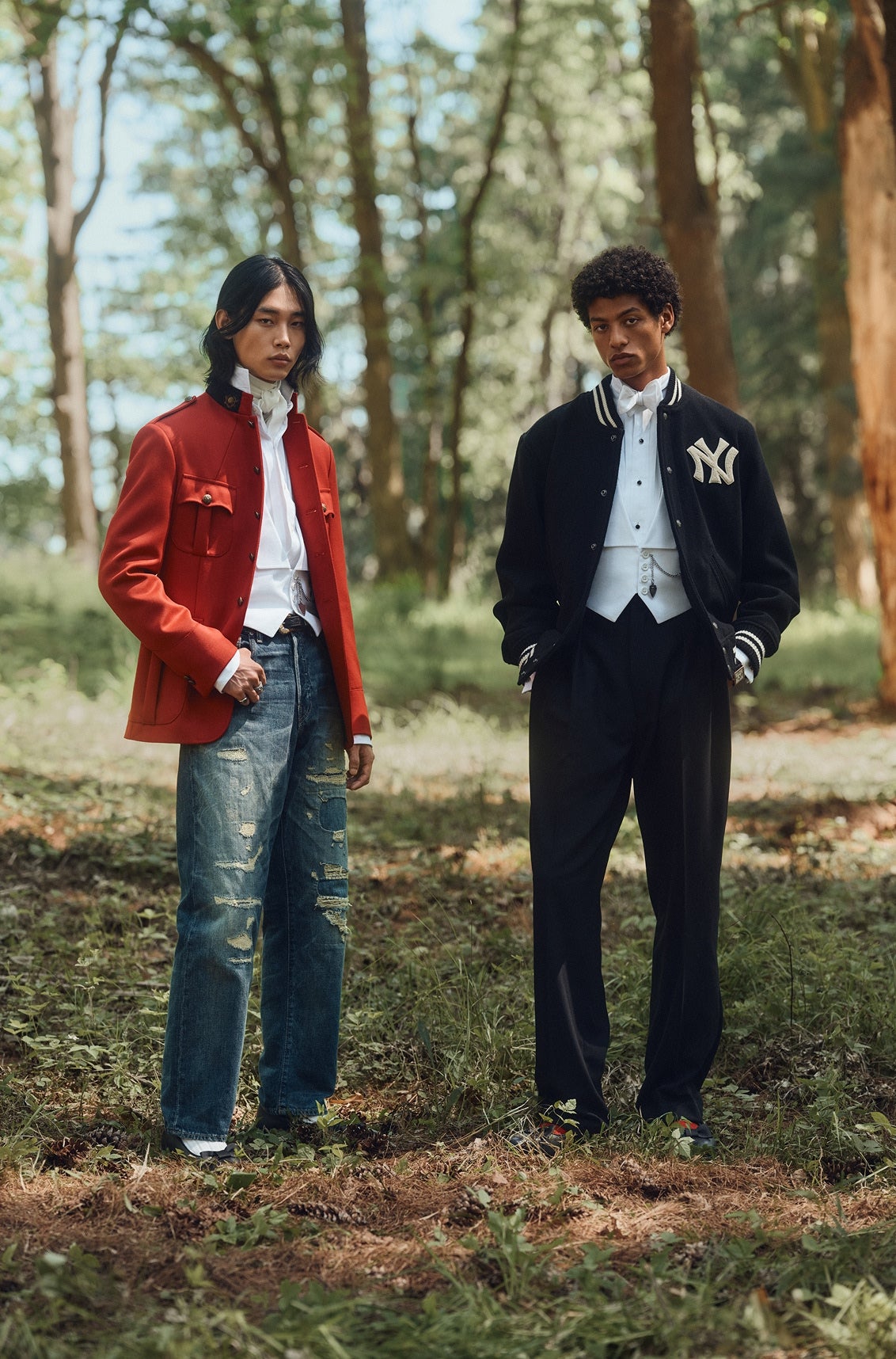
Few dress codes are so restrictive as black tie—unless you decide to throw out the rulebook yourself. If so daring, start from a place of familiarity with formal standbys like a shawl-collar velvet jacket or a white waistcoat. Then work in your own deviations, whether they be a tailored trouser in a tartan pattern, tonal denim, or even a cravat in place of the expected bow tie.
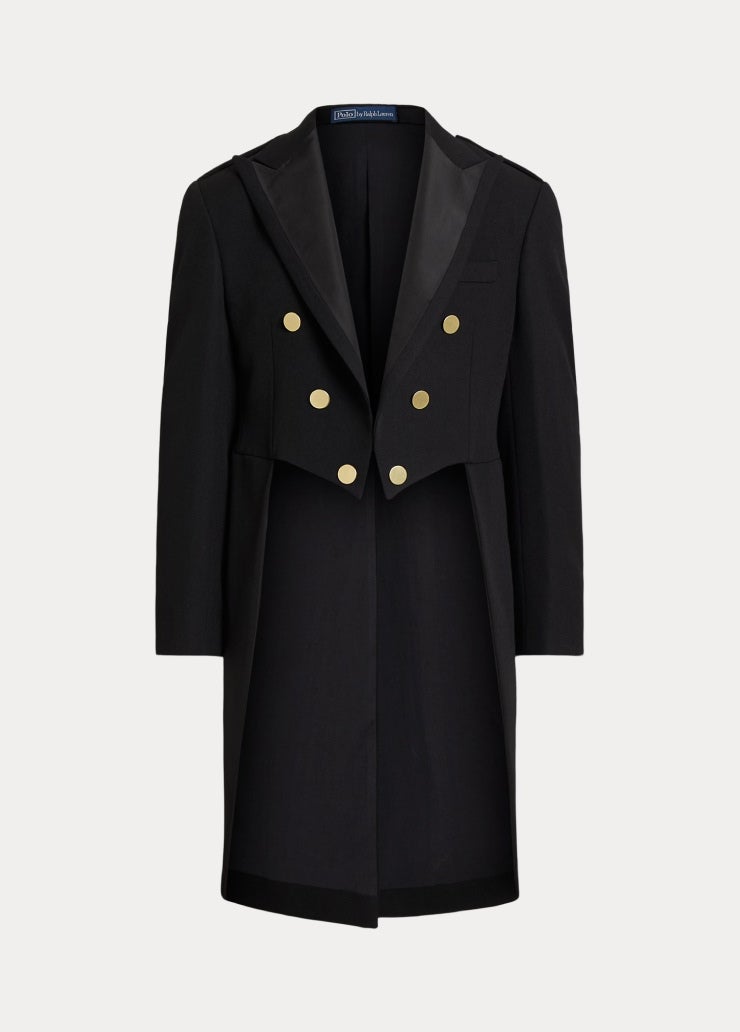
Wool Barathea Tailcoat
$1,998.00
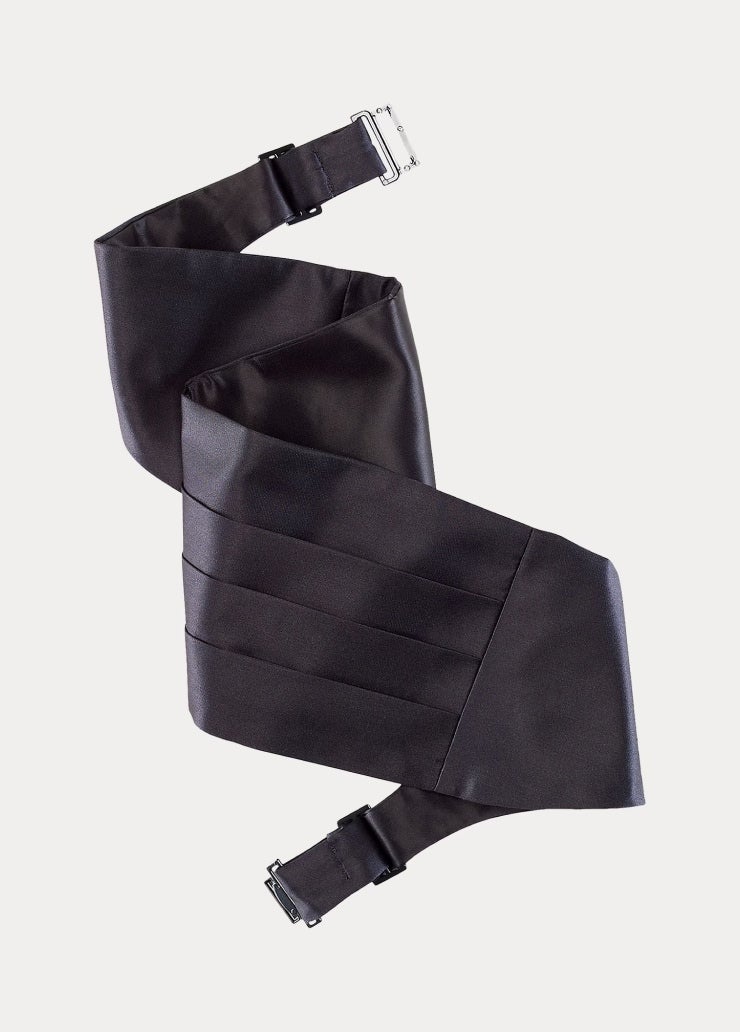
Silk Satin Cummerbund
$148.00
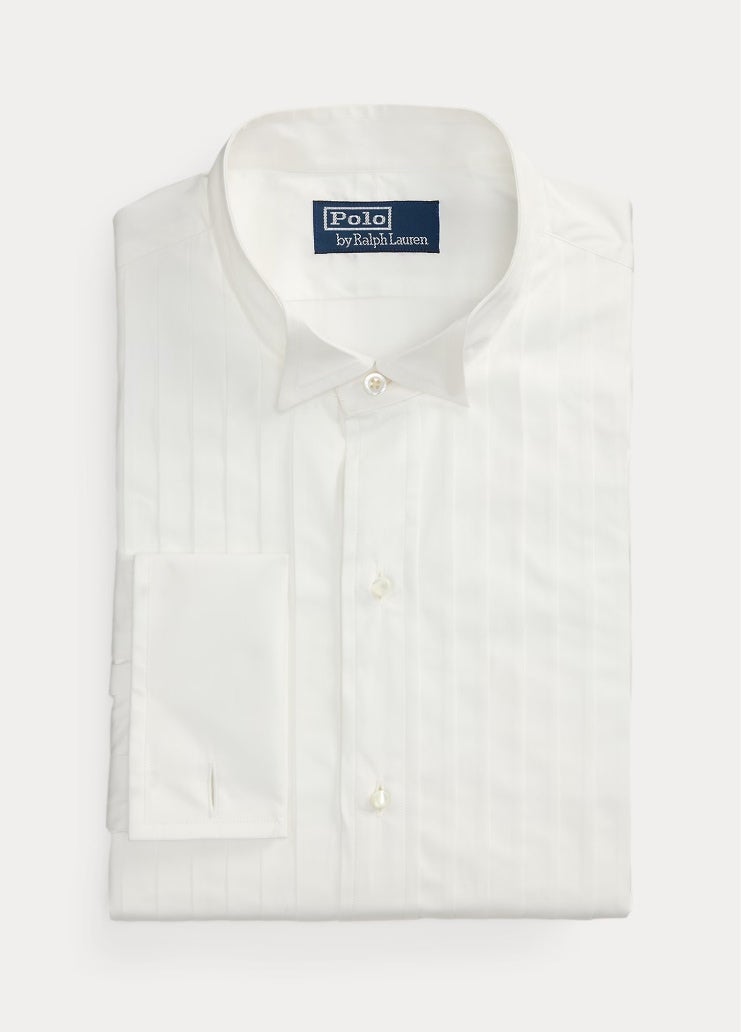
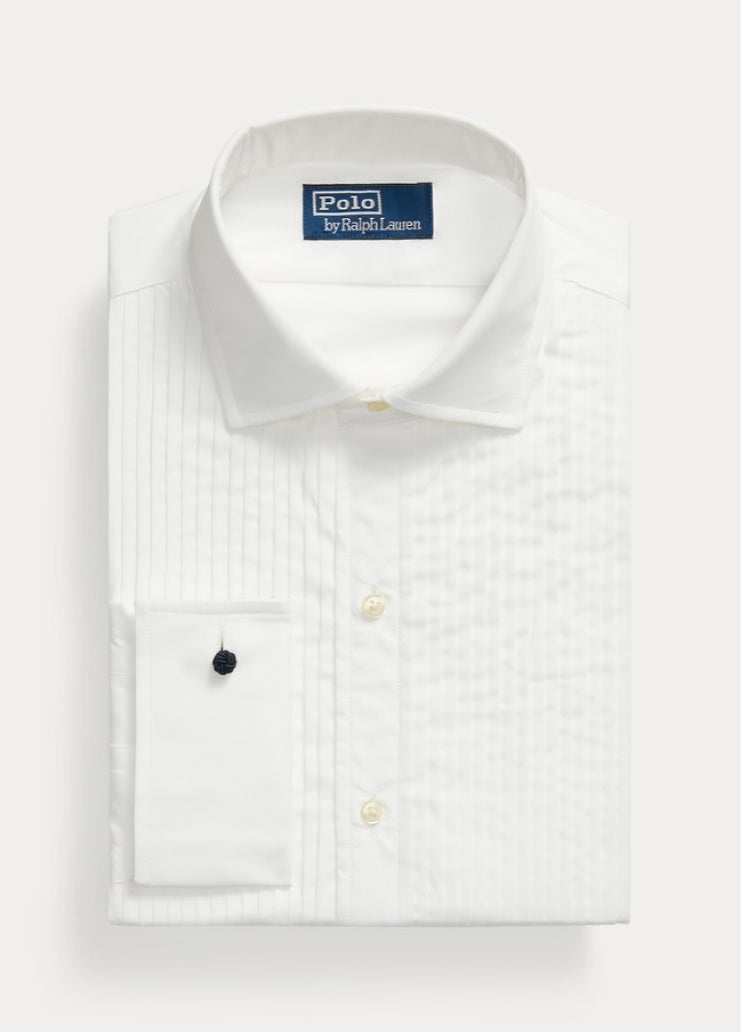
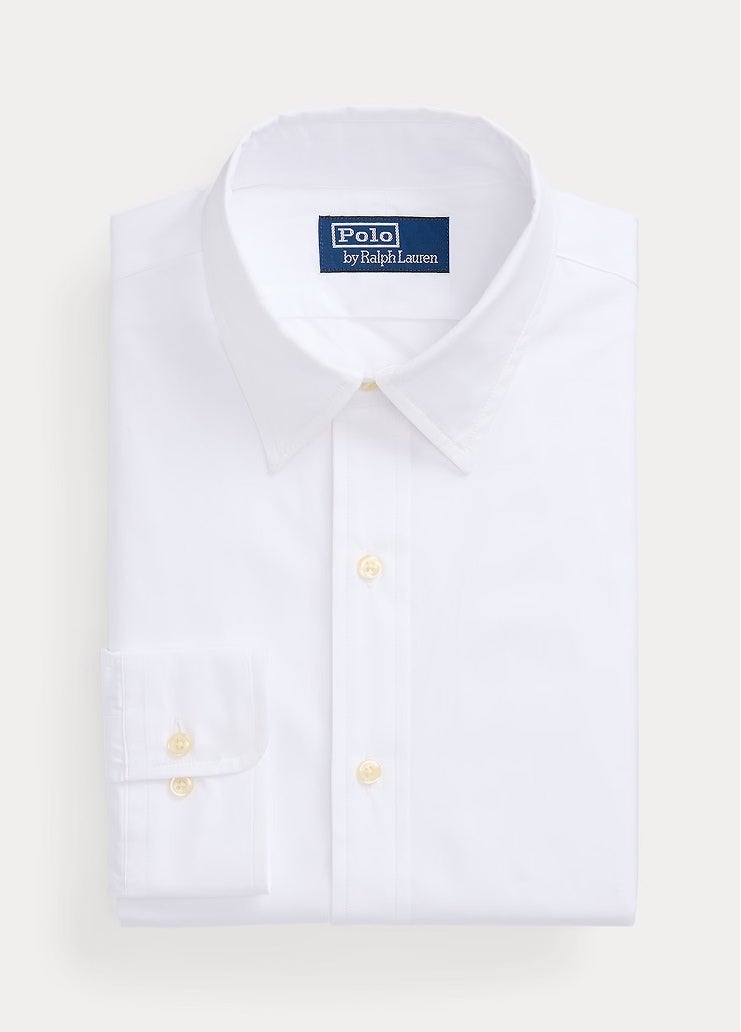
Classic Fit French Cuff Tuxedo Shirt
$198.00
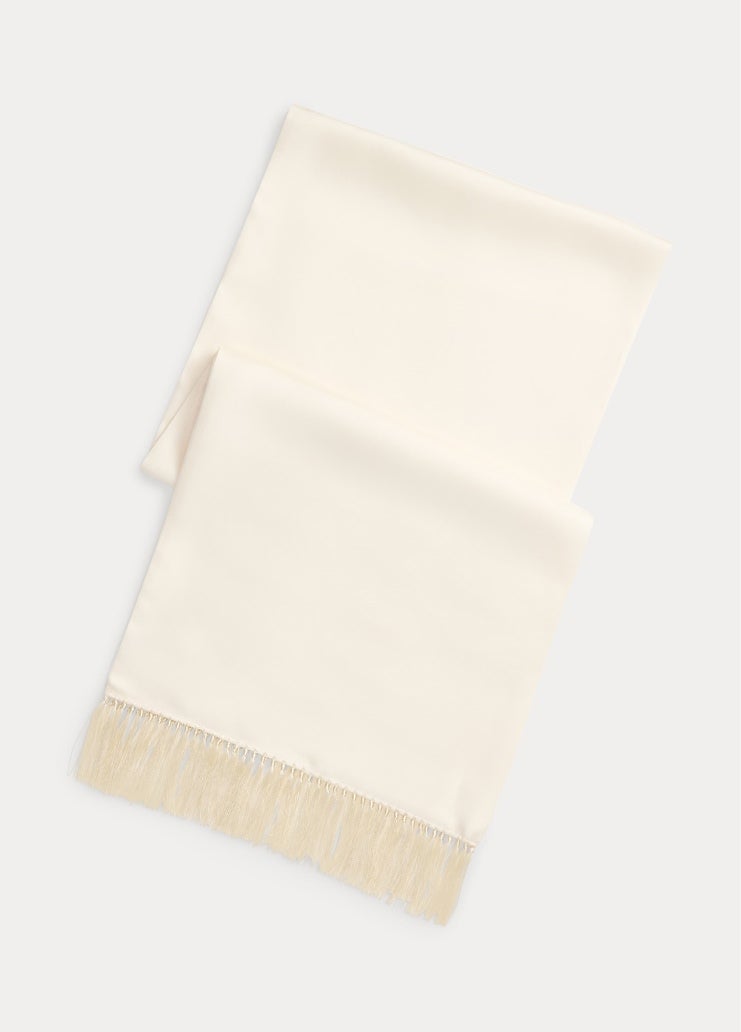
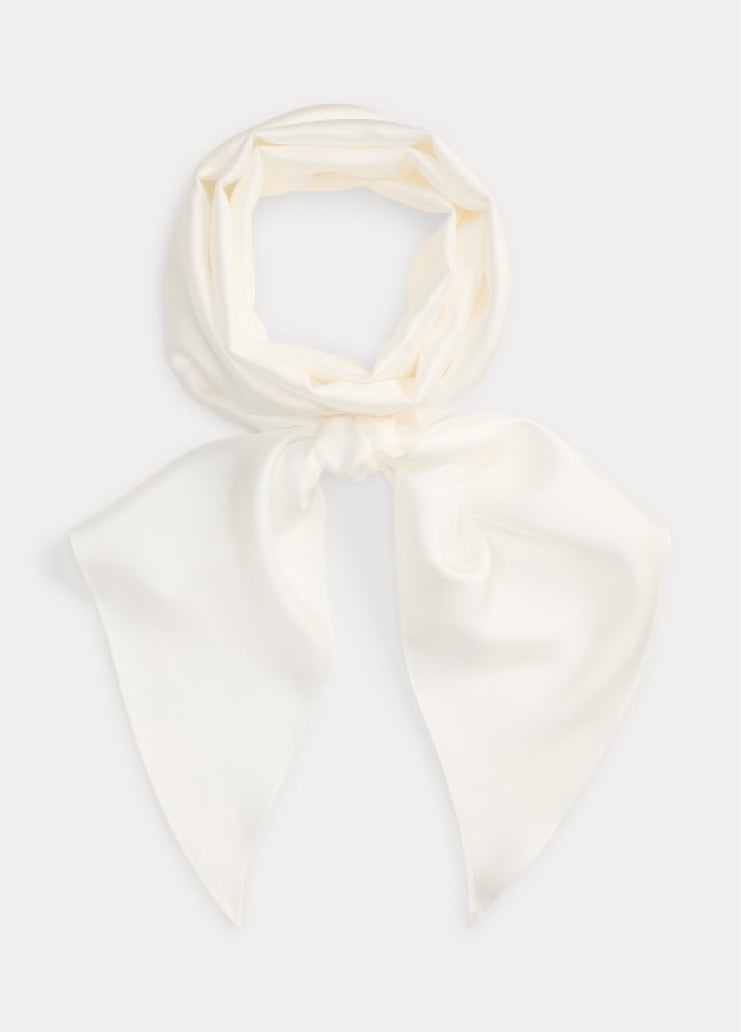
Fringe Silk Twill Scarf
$495.00
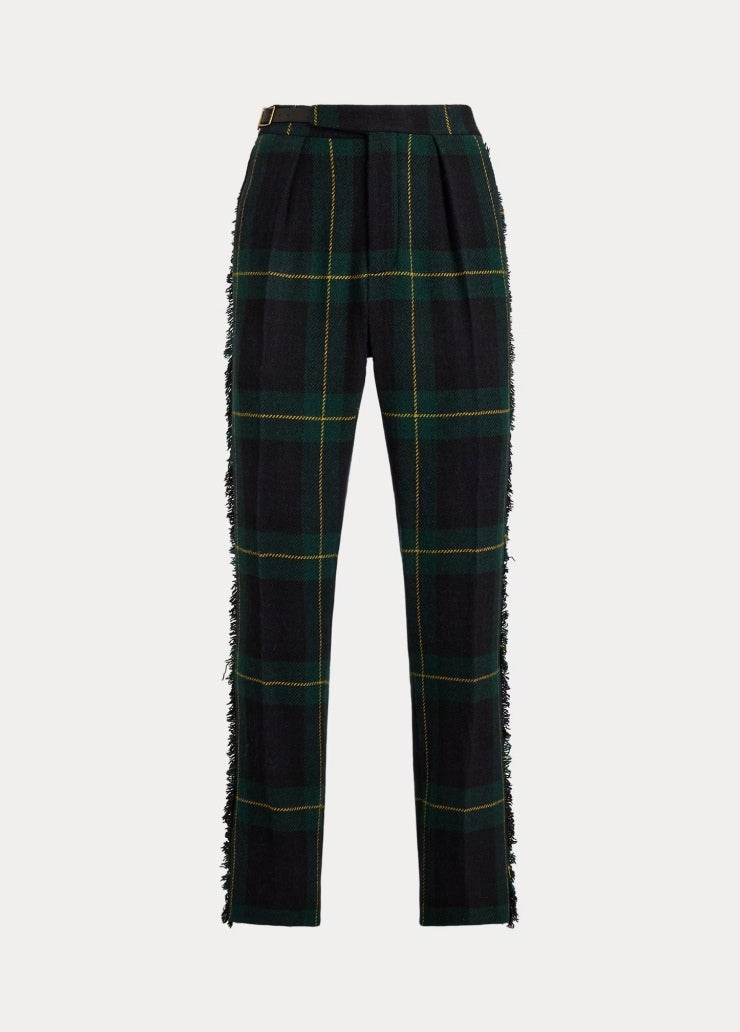
Leather-Trim Plaid Tweed Suit Trouser
$898.00
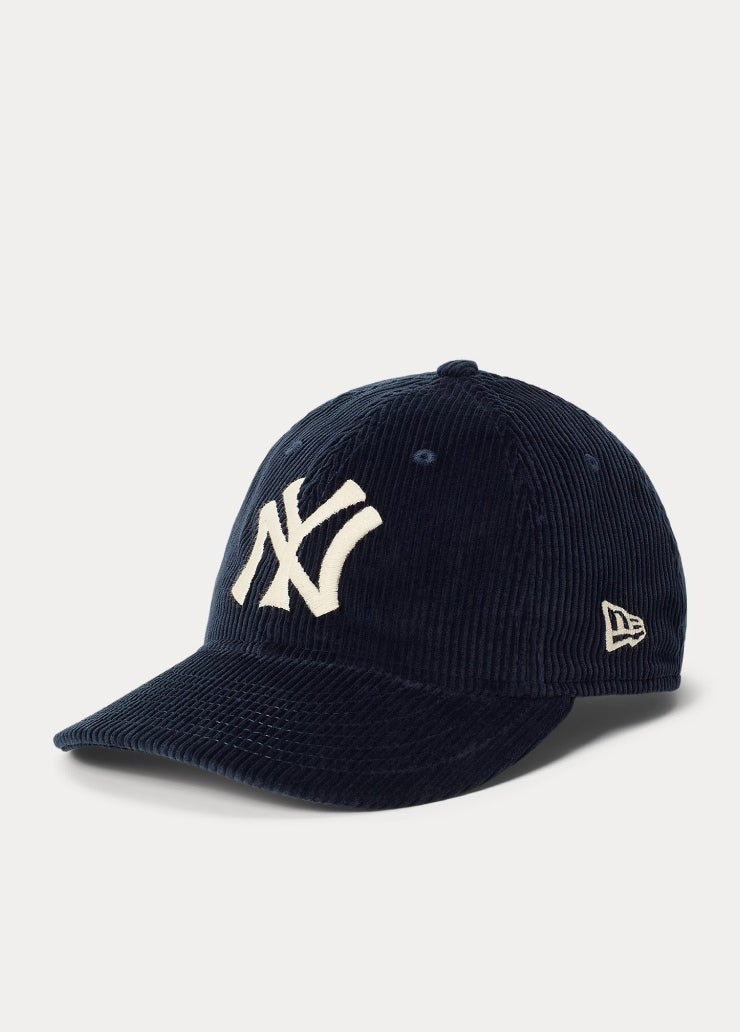
Polo Ralph Lauren Yankees Corduroy Cap
$125.00 $99.99
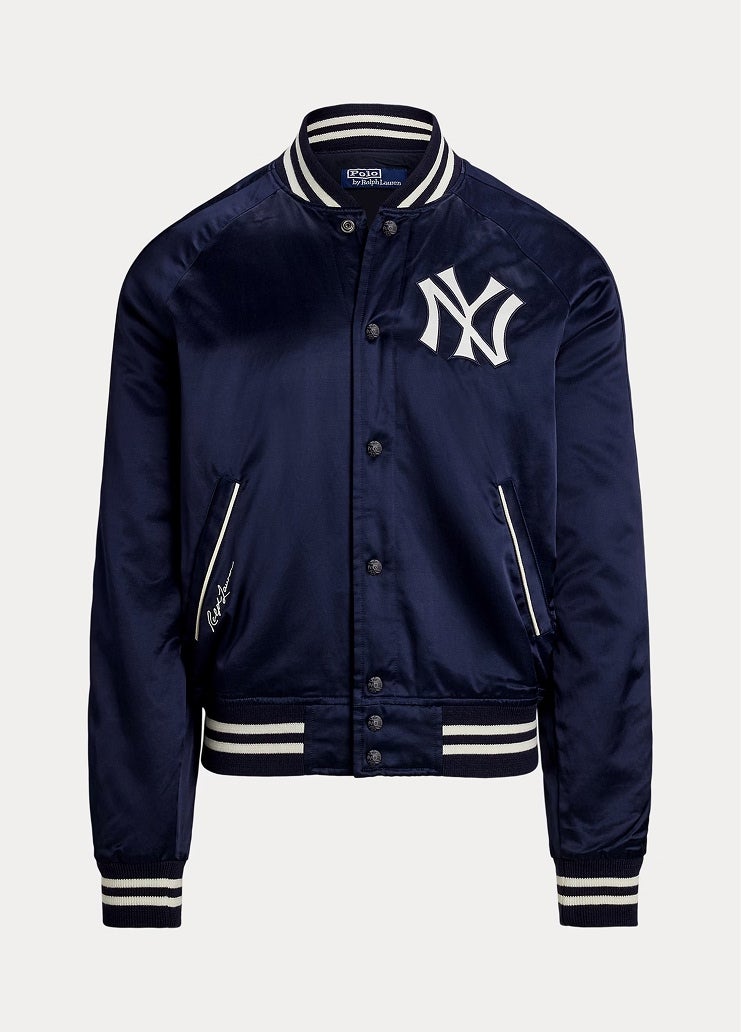
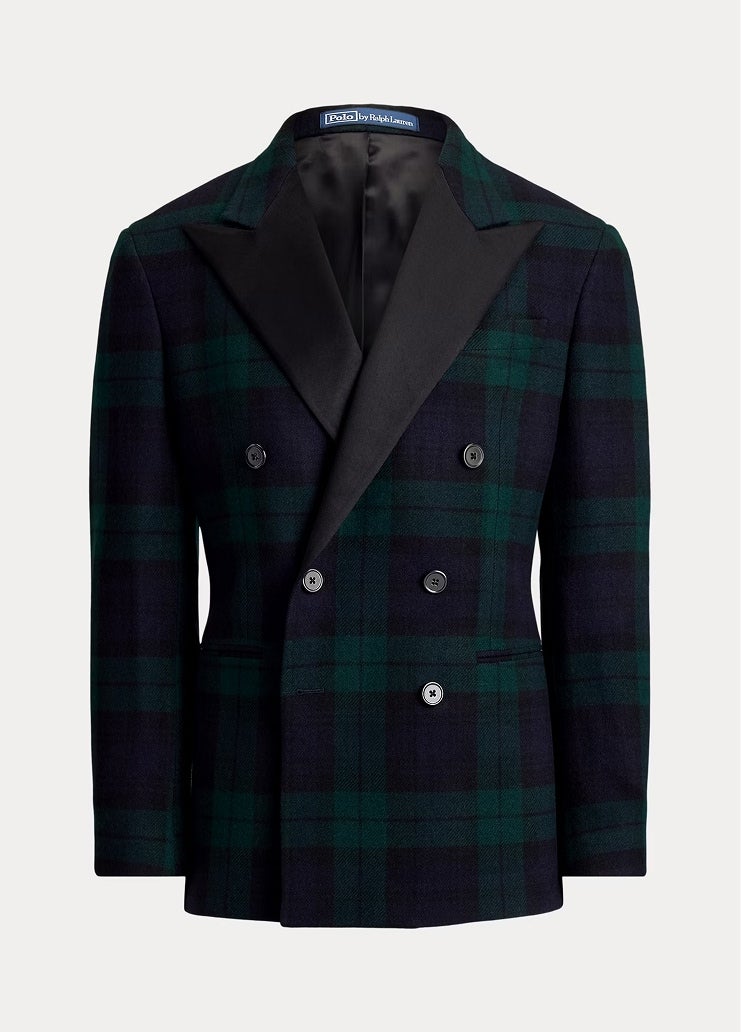
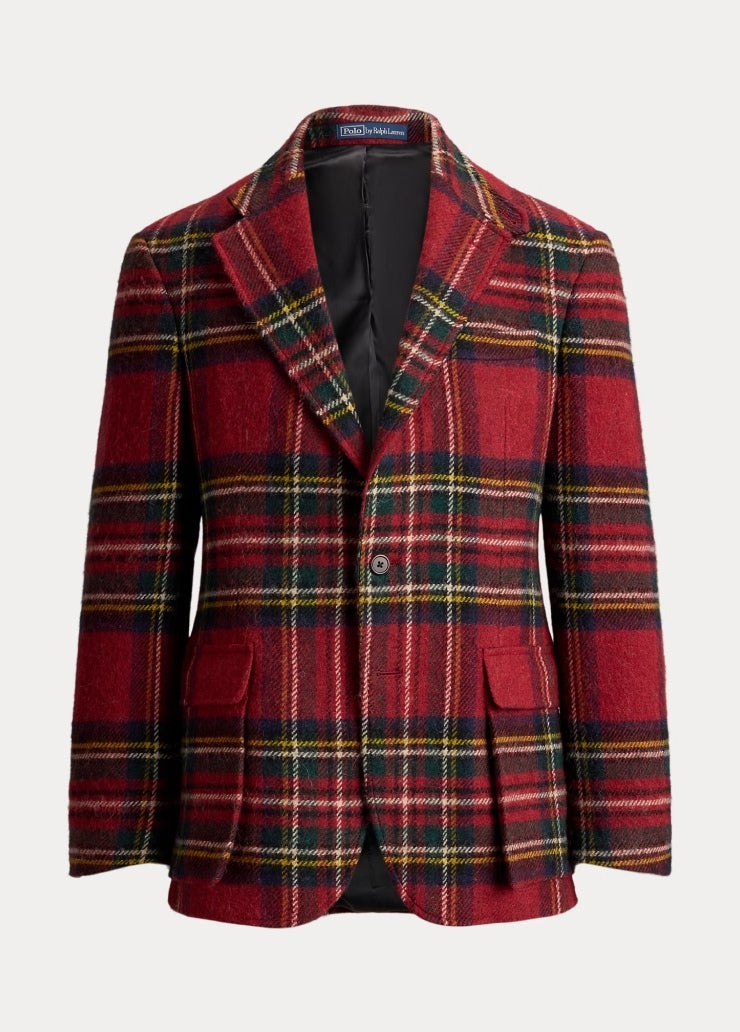
Polo Tailored Fit Plaid Tuxedo Jacket
$1,298.00
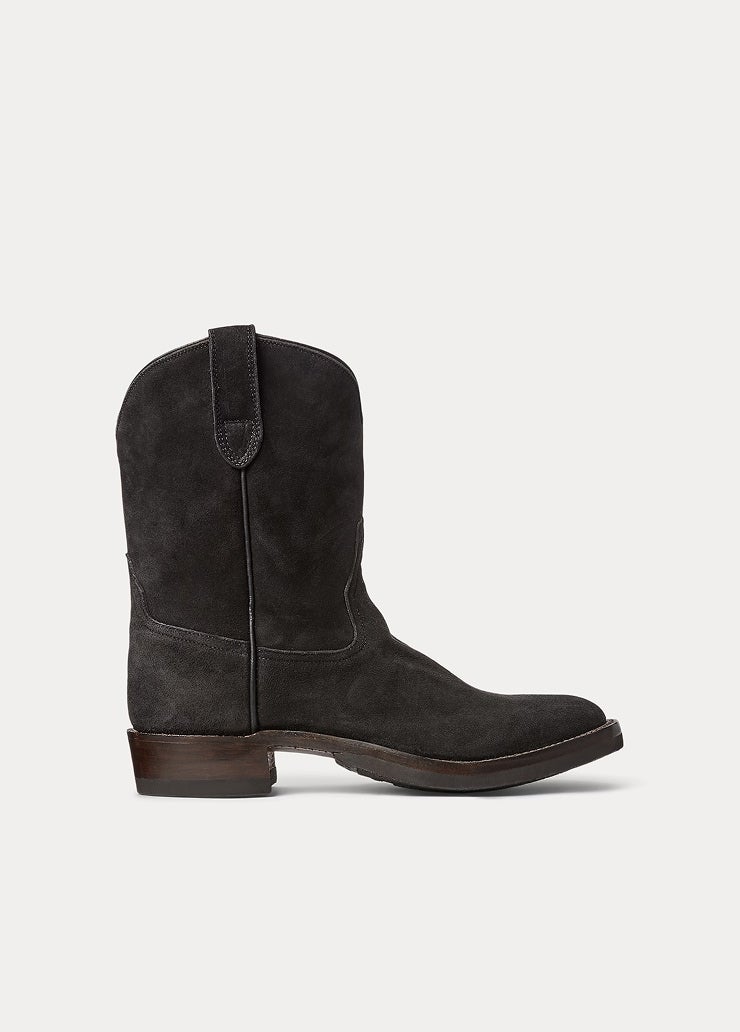
Roughout Suede Boot
$1,400.00
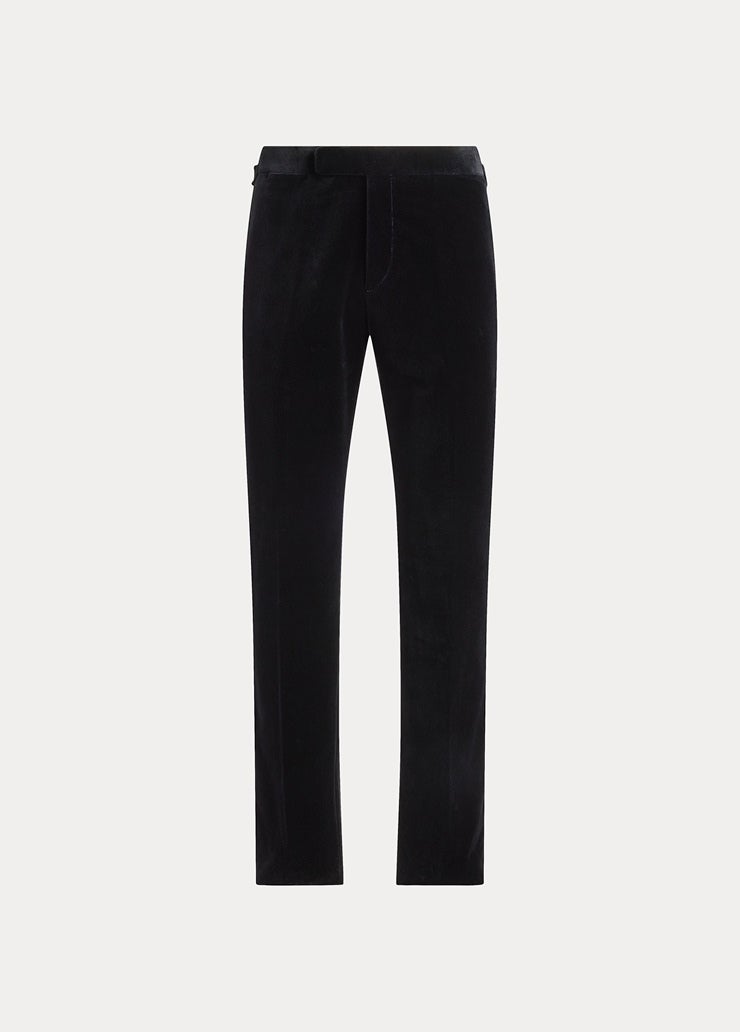
Velvet Suit Trouser
$498.00
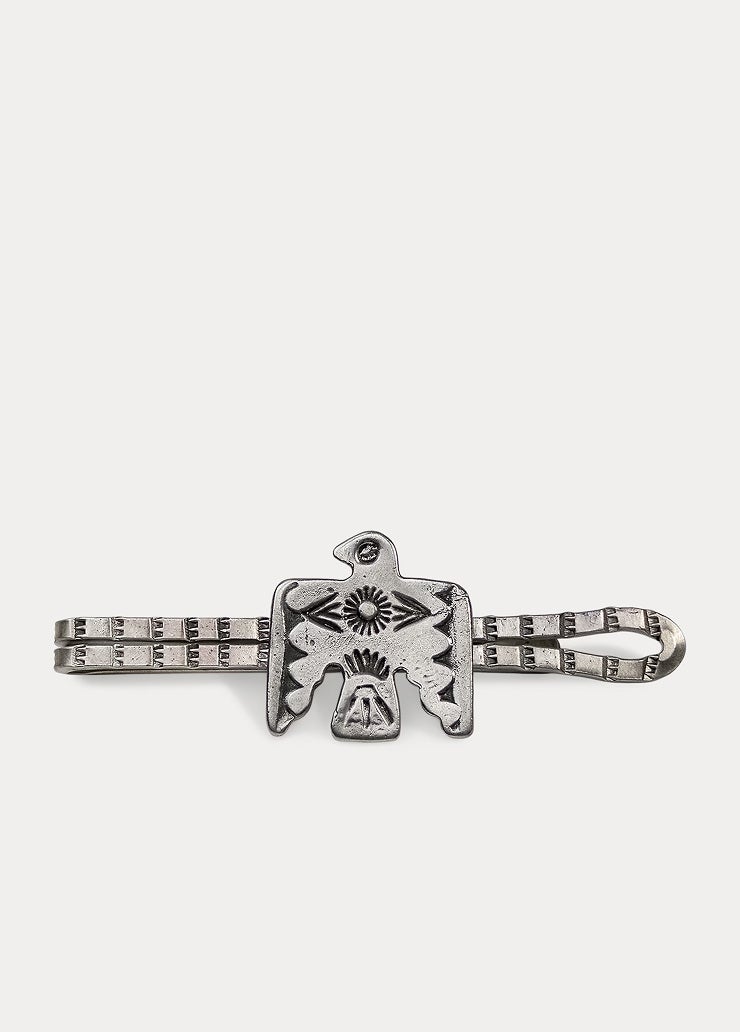
Legion of the Cravat

For a swashbuckling alternative to traditional black tie, take a cue from Mick and Jimi—or Lord Byron.
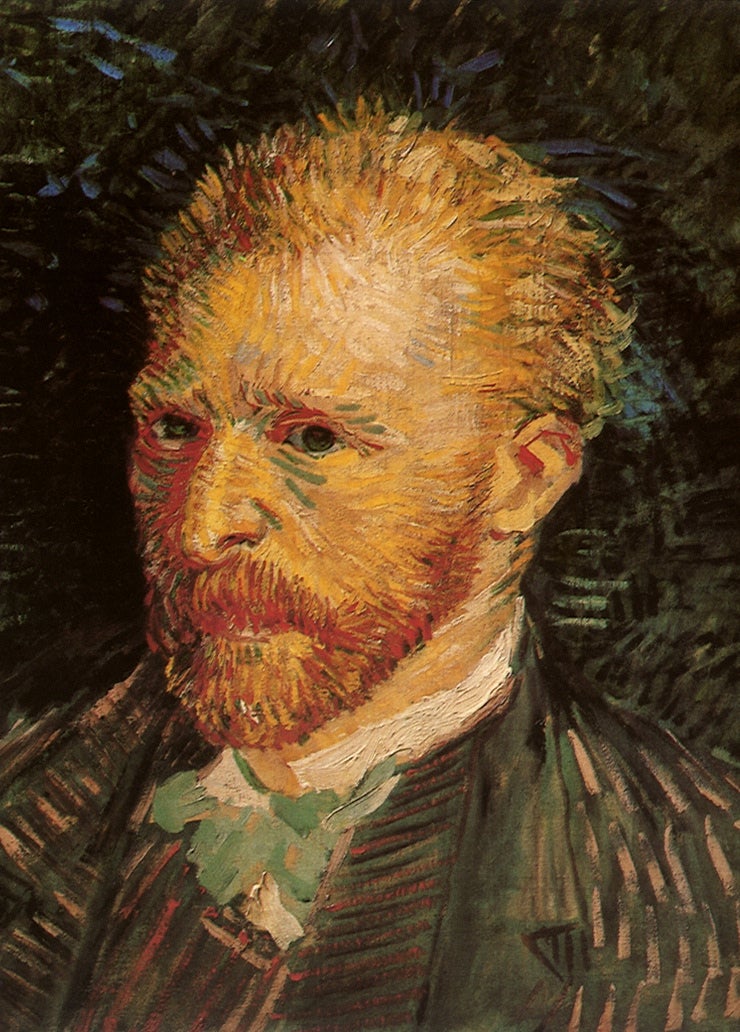
For men, the neck has long served as an ample testing ground for self-expression. Long before today’s necktie there was the ruff—the frilly, halo-like collar you’d recognize from Elizabethan portraiture, favored by everyone from the titular monarch to Sir Francis Drake. And while the ruff today would only be seen in period-accurate Shakespeare productions, the neck ornament that took its place—the cravat—is primed for a comeback. As the tale goes, during the Thirty Years’ War, King Louis XIV engaged the services of Croatian mercenaries in his struggles against the Holy Roman Empire. Beyond the battlefield, the soldiers-for-hire made quite the impression through their accessory of choice, a long strip of cloth (lace for privates, silk for officers) that was wound around the neck and tied in front. Their employers dubbed it the cravat—French for “Croat”—and soon copied it for themselves. It even caught the eye of Charles II, then living in exile in Paris, who popularized it in England after reclaiming his throne in 1660.

Photo: Picturenow/Universal Images Group via Getty Images.
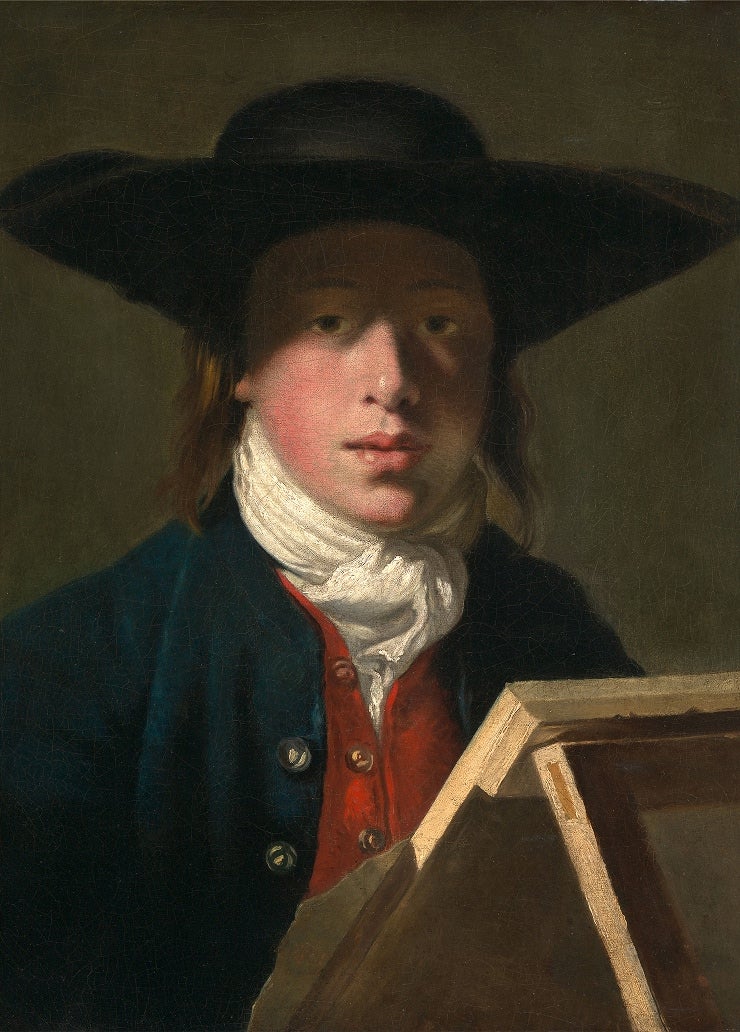
Photo: Sepia Times/Universal Images Group via Getty Images.
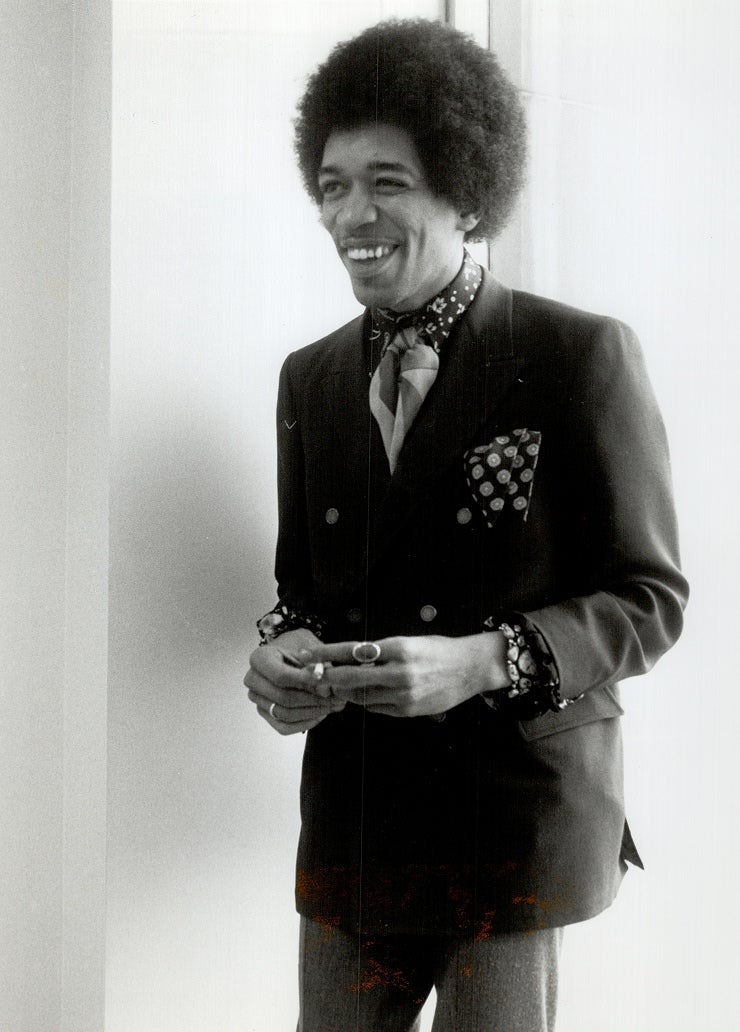
Photo: Reg Innell/Toronto Star via Getty Images.

Tied Together Like Vincent van Gogh (right) and Henry Robert Morland (center), Jimi Hendrix (left) knew how to rock the cravat.
However, the cravat reached its apogee not with a restored king, but a commoner—Beau Brummell. The son of a secretary, Brummell ingratiated himself with royal society by becoming the Regency era’s best-dressed man, promenading about Mayfair in his famous uniform of a short blue jacket, buff trousers, and his immaculately arranged cravat, which he was said to have spent entire mornings getting imperfectly right with the aid of his valet. He is remembered today as the original “dandy,” a man of ordinary social rank who dared to climb above his station through the expression of his own personal style. It doesn’t seem so coincidental that in 1967, a 28-year-old named Ralph Lauren convinced his boss at the Beau Brummell tie company to allow him to design a line of wide-length neckties under the name “Polo.” The rest is history. As that modern necktie, which evolved directly from the cravat, has become increasingly optional, both its historic predecessor and the more casual neckerchief remain potent forces for dressing the neck. In both cases, they can be utilized to finish off everything from black tie to buckskin jackets following a short, three-step process. And unlike Mr. Brummell, you needn’t spend half a day adjusting its finer points. —E.T.